Streets / Track / Mind / Body
The Low Down
How To Start Riding Motorcycles
1. Decide What Kind of Riding You Want to Do
Before anything else, think about what excites you:
* Street riding
* Cruising
* Adventure & off-road
* Track riding or racing
This helps guide what bike, gear, and training you’ll need.
2. Learn the Basics (Without a Bike Yet)
Familiarize yourself with:
How a motorcycle works
Controls (clutch, throttle, brakes, gears)
Basic safety principles
You can learn this on YouTube, blogs, or through beginner courses.
3. Take a Motorcycle Safety Course
This is the best first real step.
A certified class (like MSF in the US):
Teaches you bike handling from zero experience
* Gives you hands-on training
* Often includes the licensing test
* Greatly boosts your confidence and safety
4. Get Your Motorcycle License / Permit
Most places require:
A written test (for a permit)
A skills test (unless your course waives it)
This makes you legal and prepares you for real-world riding.
5. Invest in Proper Gear
At minimum:
* Helmet (DOT/ECE/Snell)
* Gloves
* Jacket with armor
* Motorcycle pants
* Boots that protect your ankles
Good gear matters more than the bike at the start.
6. Start with the Right Bike
Choose something:
* Lightweight
* Predictable
* Beginner-friendly
Don’t worry about power—worry about control, confidence, and skill-building.
7. Practice in a Safe Environment
Start in:
* Empty parking lots
* Quiet neighborhoods
* Open spaces
Practice slow-speed control, emergency stops, and cornering.
8. Build Skills Gradually
Take your time:
* Ride in low-traffic areas
* Learn street awareness
* Practice scanning and avoiding hazards
* Only increase speed or difficulty when you’re ready
If you want, I can also tailor a **beginner’s step-by-step plan** for:
* Street riders
* Track riders
* Total beginners with zero experience
Just tell me which path you’re aiming for!
My First Year Riding
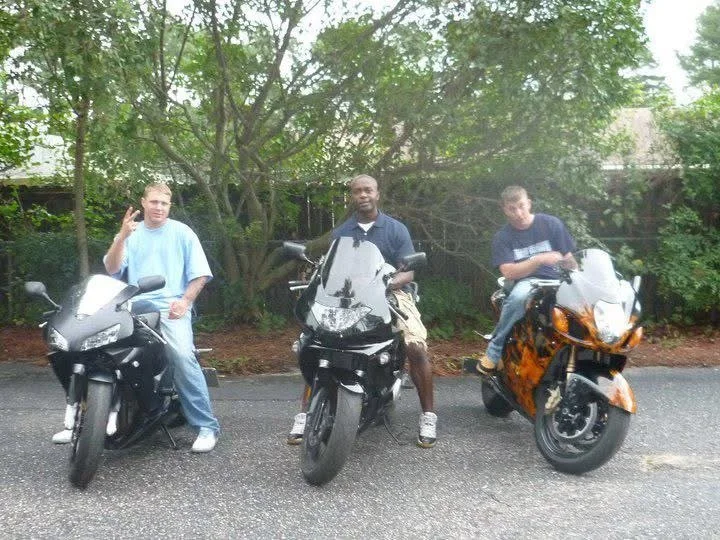
My Motorcycle Journey & the Lessons That Saved My Life: PART 1
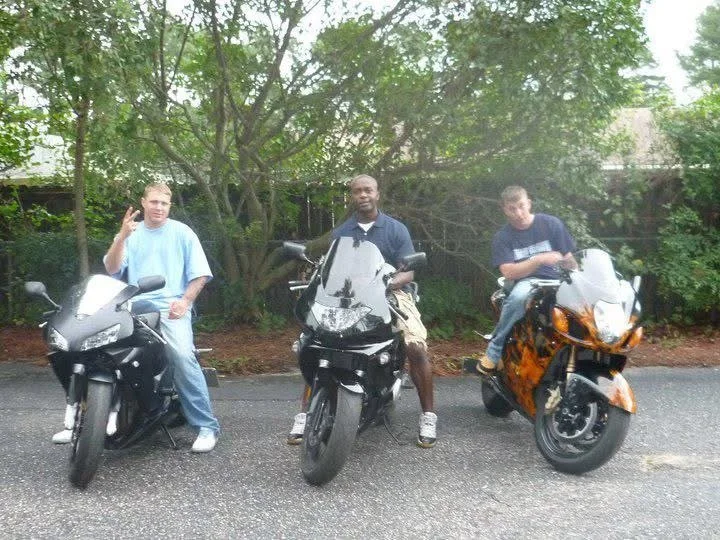
I started riding motorcycles in 2007 while stationed in Fayetteville, North Carolina. All of my close friends rode, and during deployments we constantly talked about the bikes we’d buy when we got home. At the time I didn’t ride yet, but the way they described the freedom and adrenaline told me I was going to fall in love with it.
My best friend—my brother for life—said he knew exactly which bike I needed. So when we returned from Iraq, I jumped straight into my riding journey on a Yamaha YZF-R6. For my first three months I chased friends who rode faster 600s, 750s, 1000s, and even 1300–1400cc bikes. Looking back, that was my first hard-earned lesson: **ride your own ride.** I should have stayed on the 600 and built real experience for at least six months to a year before advancing.
Instead, I bought a brand-new 1300cc Hayabusa. Physically, I was in peak condition as a paratrooper and SAW gunner—but mentally, I wasn’t ready. That became my second lesson: **motorcycling requires both mind and body at their best.** Even then, riding is never truly “safe.”
For the next nine months, I rode every day—without even having my motorcycle endorsement. What started as quick rides often turned into multi-state trips to places like Myrtle Beach or the Tail of the Dragon in Tennessee. We also ran from the cops—looking back we were reckless thrill seekers and we didn’t know any better.
One night, after a spontaneous ride back from Myrtle Beach, my brother and I were chased by state troopers and eventually stopped at a roadblock. Somehow, after a high-speed pursuit, I was issued a court date and allowed to ride home. Because I was preparing for a PCS to Fort Carson, Colorado, I flew back to North Carolina for court. I was lucky—the judge dismissed all charges. My friend, facing a different judge on the same day, received a three-year prison sentence for the same offense.
The judge later shared that his daughter had been killed in a motor vehicle accident.
When I returned to Colorado, I immediately enrolled in the MSF (Motorcycle Safety Foundation) course. **That became one of the most important lessons of all: get trained and get endorsed.** Not only does proper certification remove legal stress, but the skills and safety knowledge you gain can truly save your life.
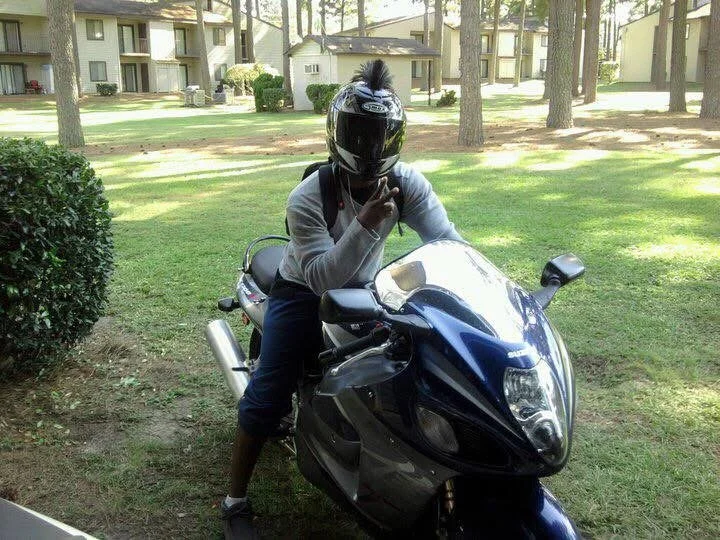
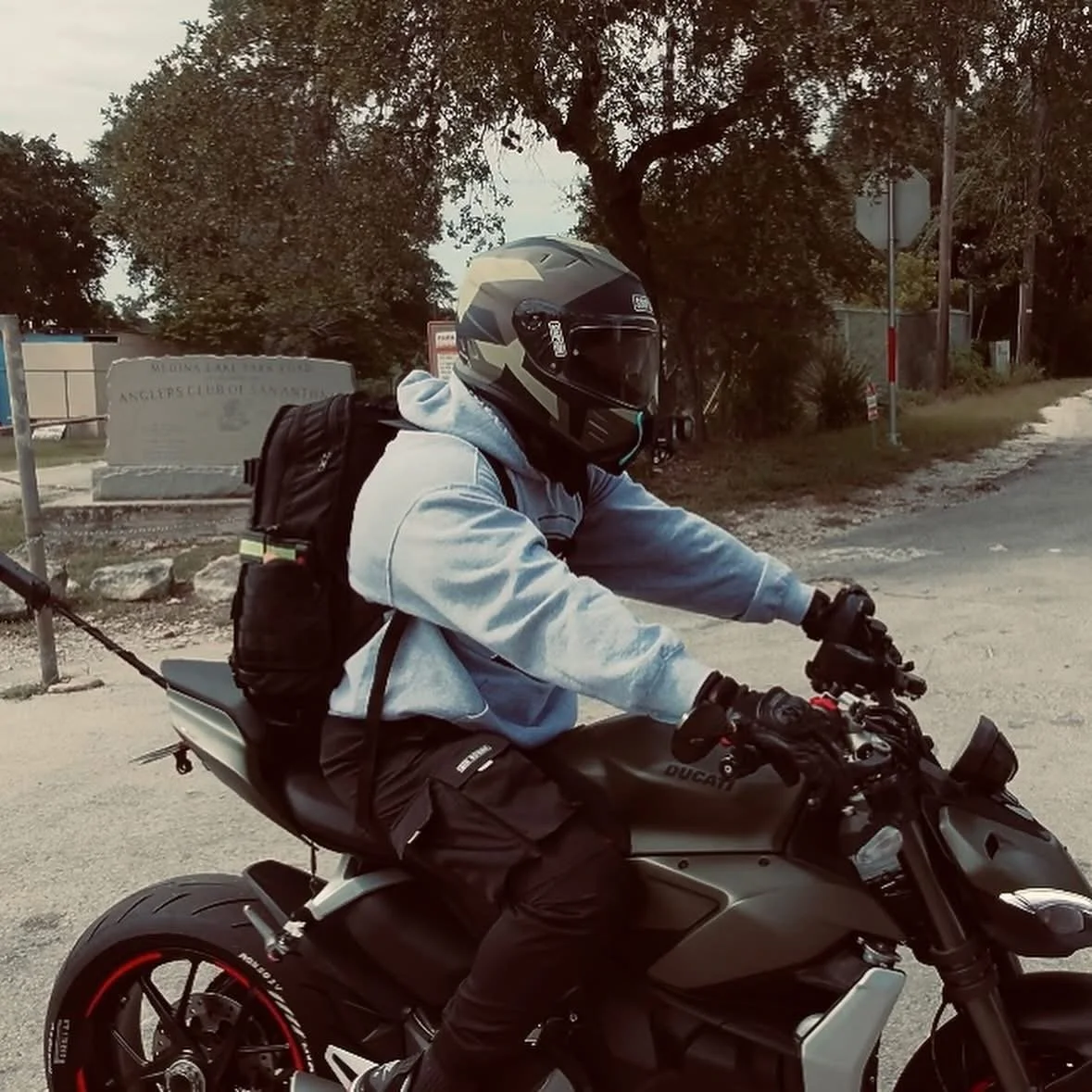
80 Percent You 20 Motorcycle
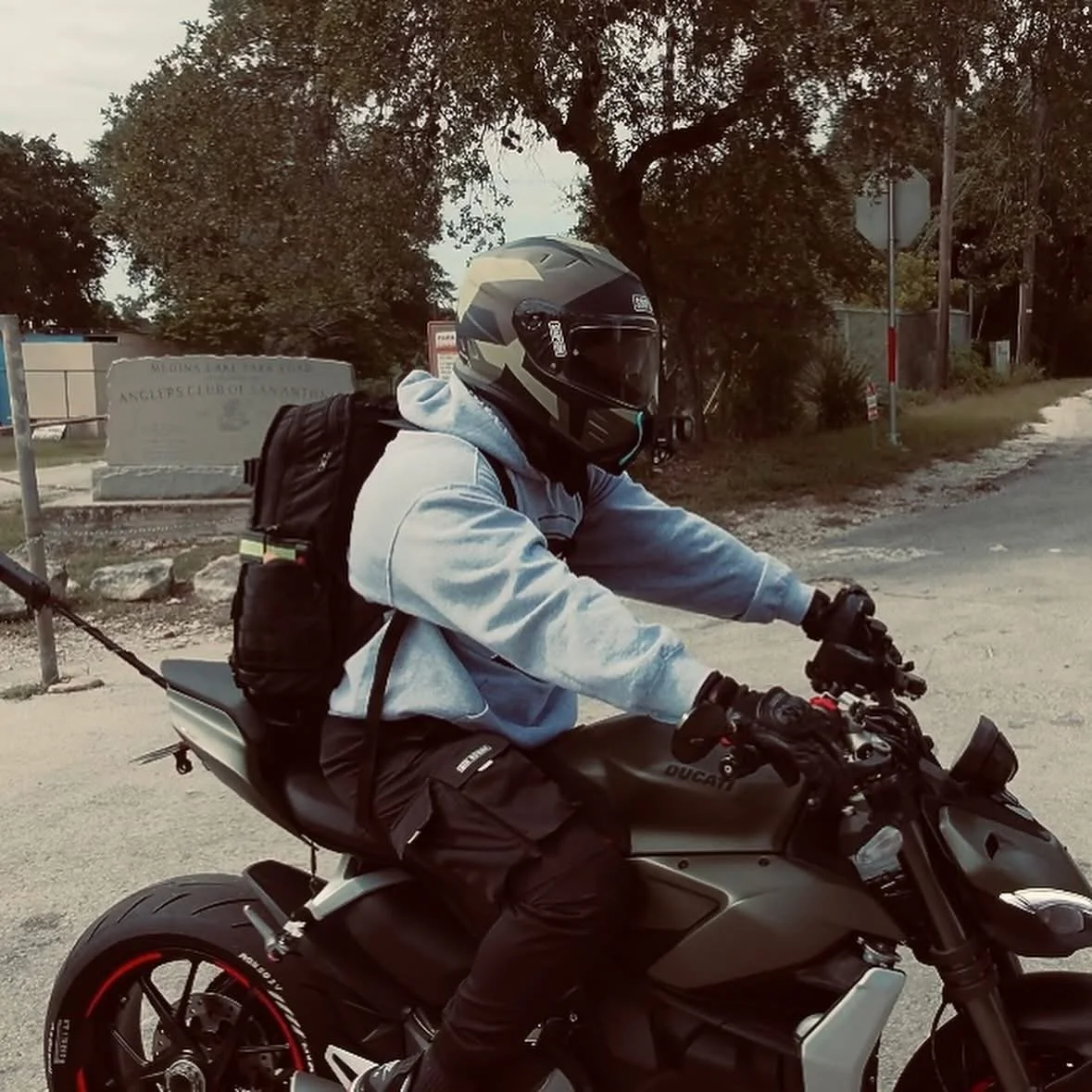
Being a Great Motorcyclist: 80% Rider 20% Motorcycle
There’s a common myth in the motorcycle world that the key to being a great rider is owning the best bike—the fastest engine, the latest electronics, or the most expensive setup. In reality, the truth is much simpler:
Being a great motorcyclist is 80% rider and only 20% motorcycle.
The machine matters, of course—but it matters far less than the person on it.
The Rider Is the Real Performance Upgrade
Throttle control, braking habits, corner awareness, body positioning, and decision-making will outshine raw horsepower every single time. A skilled rider on a modest motorcycle will consistently outperform a poorly trained rider on the most expensive superbike.
The rider determines:
*How smoothly power is applied
*Whether corners are entered correctly
*How hazards are detected and avoided
*When restraint beats bravado
Motorcycles don’t crash themselves—riders outpace their own abilities. No amount of advanced traction control can replace good judgment.
---
Mental Game > Mechanical Specs
One of the most overlooked aspects of riding is the mental side:
* Emotional control
* Patience
* Ego management
* Situational awareness
Most wrecks happen not because a bike lacks capability but because the rider exceeds theirs. Speeding past comfort zones, chasing faster riders, riding fatigued, or making panic decisions in traffic are rider errors—not mechanical failures.
Confidence should come from experience and training—not engine displacement.
Skills Trump Horsepower
Real riding progress comes when riders stop searching for faster bikes and start sharpening their foundational skills:
* Practicing emergency braking
* Mastering clutch and throttle finesse
* Improving corner setup
* Reading road conditions
* Managing space in traffic
A 600cc bike ridden well beats a 1000cc bike ridden carelessly every time—especially on public roads where precision and judgment matter more than straight-line speed.
The Motorcycle Is Just the Tool
Yes—having a properly maintained motorcycle, quality tires, good brakes, and well-adjusted suspension matters. That’s your 20%. Equipment is important, but it’s simply a platform for the rider’s skill.
A bike doesn’t choose to ride responsibly.
A bike doesn’t recognize danger.
A bike doesn’t train.
You do.
True Mastery Comes From Ownership
Great riders take ownership of their outcomes. They:
* Train consistently
* Stay humble
* Ride within their limits
* Never stop learning
Great motorcyclists understand that skill development beats motorcycle upgrades. They invest in coaching, track days, and advanced MSF or rider training courses instead of chasing more horsepower.
Final Thought
Your motorcycle can enhance your experience—but only you determine how safe, smooth, and capable that experience really is.
80% of riding excellence is you—your discipline, mentality, and training.
The bike handles the remaining 20%.
Ride smart.
Train hard.
Let skill—not speed—define your ride.